

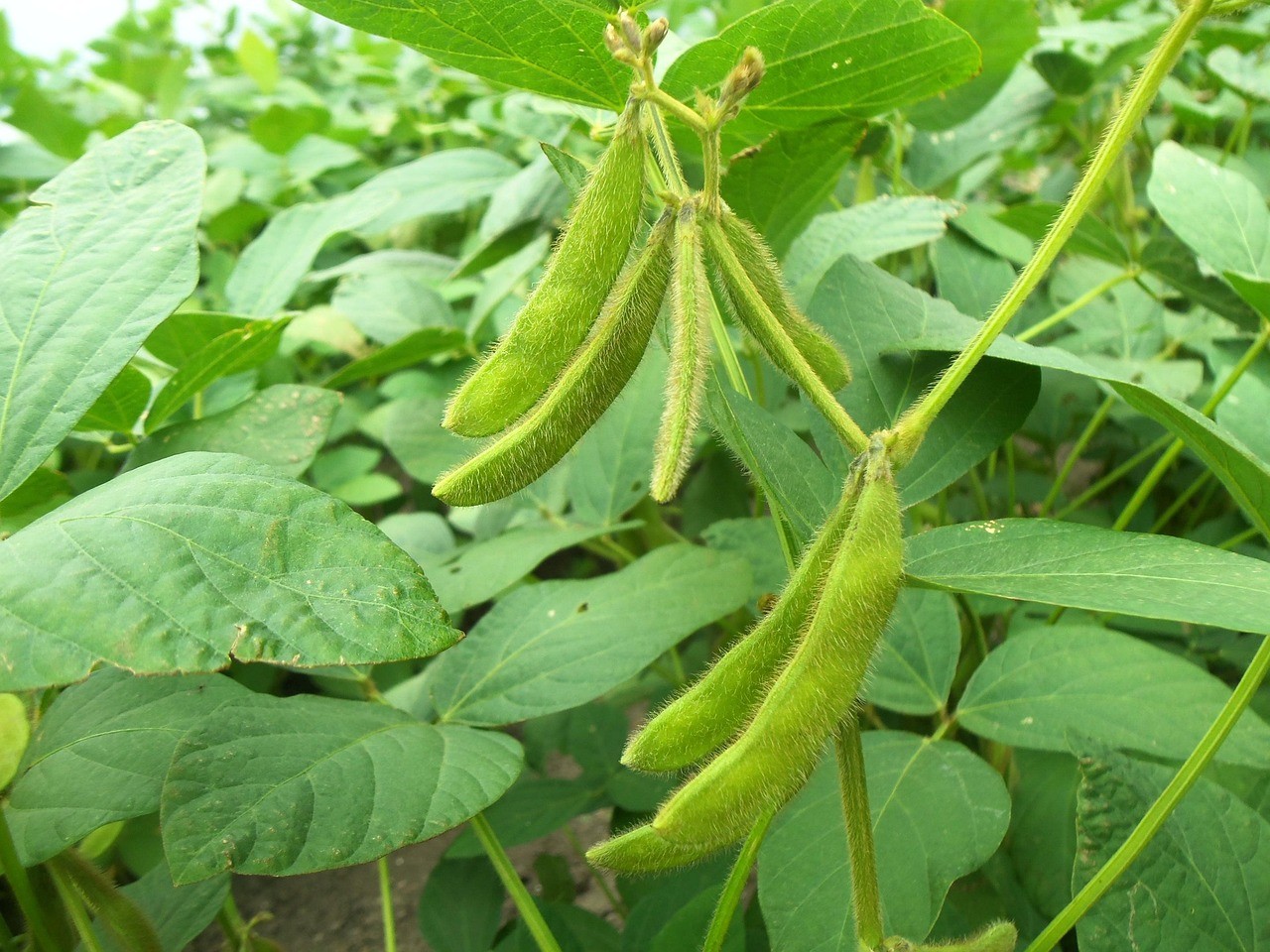
Early Detection of Soybean Yield Reduction Risk: SIF Technology Supports Stable Yield Management
在之前的文章中,我們介紹了日光誘導葉綠素熒光(SIF)的基本原理及其在森林、濕地等生態系統中的廣泛應用。
本期我們將聚焦大豆這一重要作物,探討SIF技術如何通過早期監測環境脅迫(如高溫、干旱等),來預警最終的減產風險,成為保障穩產管理的關鍵工具。
In previous articles, we introduced the basic principles of Sun-Induced Chlorophyll Fluorescence (SIF) and its broad applications in ecosystems such as forests and wetlands.
This issue focuses on the important crop of soybean, exploring how SIF technology can serve as a key tool for ensuring stable yield management by early monitoring of environmental stresses (e.g., high temperature, drought) to warn of potential yield losses.
1. SIF與大豆光合作用的關系 / Relationship Between SIF and Soybean Photosynthesis
SIF是植物吸收太陽光后,葉綠素分子重新發射出的一小部分光能。它與光合作用初級生產力(GPP)緊密相關,被認為是評估GPP的有效替代指標。
SIF信號的產生源于光合系統II(PSII)的光化學反應,其強度受到光照強度、葉綠素含量以及光能分配途徑的動態調控。研究表明,SIF與GPP之間存在顯著的線性或非線性關系,這使得SIF成為監測植被光合作用的重要手段。
由于SIF與光合作用過程直接關聯,當大豆遭遇環境脅迫時,其光合機構會受到影響,進而引起SIF信號的變化,這為利用SIF監測大豆的環境脅迫提供了理論基礎。
SIF is a small portion of light energy re-emitted by chlorophyll molecules after plants absorb sunlight. It is closely related to Gross Primary Production (GPP) and is considered an effective proxy for assessing GPP.
The generation of SIF signals originates from the photochemical reactions of Photosystem II (PSII). Their intensity is dynamically regulated by light intensity, chlorophyll content, and the pathways of light energy allocation (photochemistry, non-photochemical quenching, and fluorescence). Research shows significant linear or nonlinear relationships between SIF and GPP, making SIF an important means for monitoring vegetation photosynthesis.
Since SIF is directly linked to the photosynthesis process, when soybeans encounter environmental stress, their photosynthetic apparatus is affected, leading to changes in SIF signals. This provides a theoretical basis for using SIF to monitor environmental stress in soybeans.
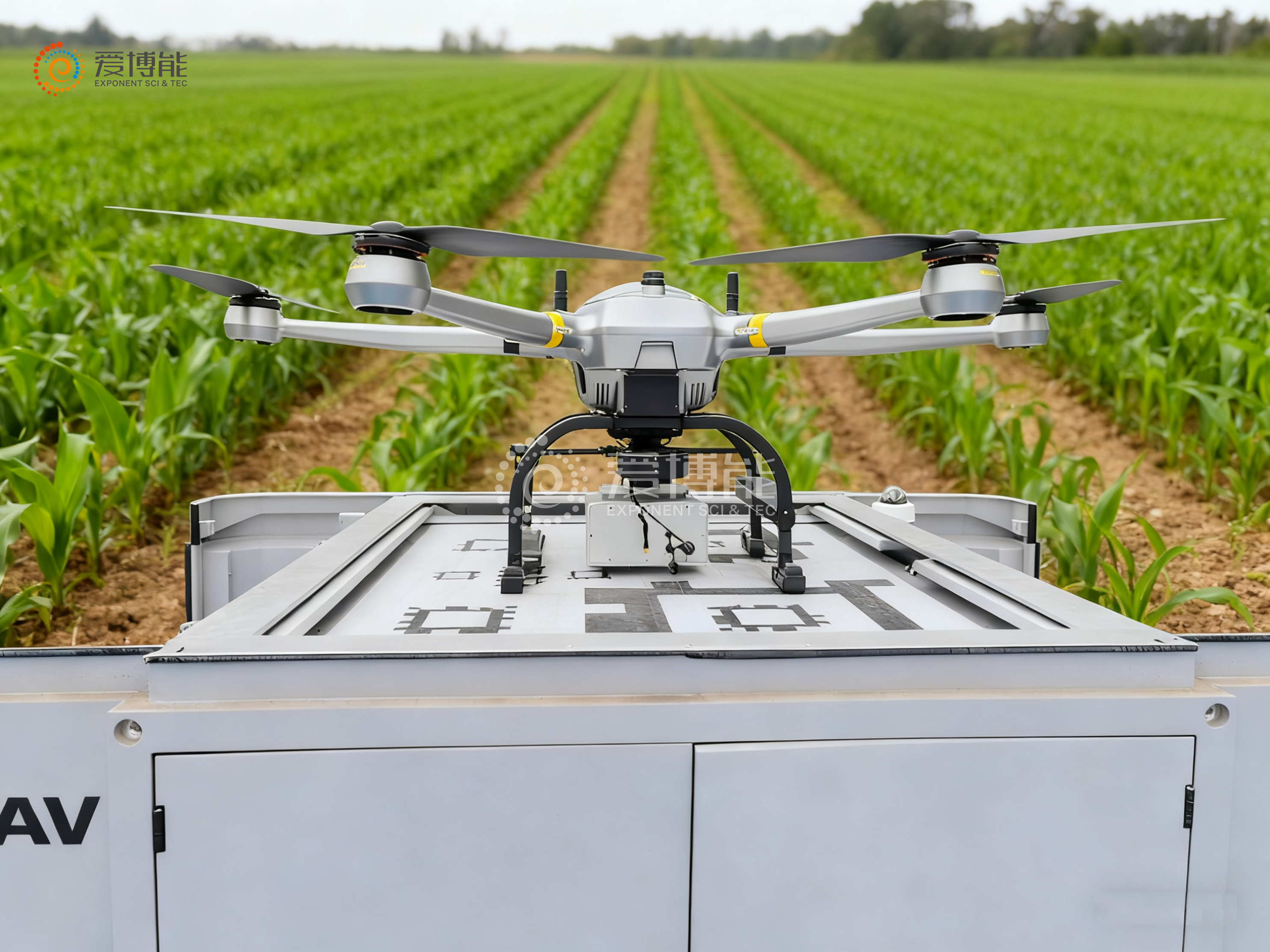
圖:愛博能無人機載日光誘導葉綠素熒光監測系統,ABN-SIF-UAV。該系統通過探測日光誘導葉綠素熒光(SIF),可實現對大范圍農田的無損監測,精準評估作物長勢,為病蟲害與水肥脅迫的早期預警提供關鍵數據。
ABN-SIF-UAV Unmanned Aerial Vehicle-borne Sun-Induced Chlorophyll Fluorescence Monitoring System by Exponentsci. This system detects Sun-Induced Chlorophyll Fluorescence (SIF), enabling non-destructive monitoring of large-scale farmland, accurately assessing crop growth status, and providing critical data for early warning of pests, diseases, and water/fertilizer stresses.
2. SIF在大豆環境脅迫檢測中的應用 / Application of SIF in Detecting Environmental Stress in Soybeans
高溫脅迫:高溫及其伴隨的高水汽壓差通常會影響植物,但不會引起明顯的冠層結構變化或光譜特征改變。SIF因其與光合作用的聯系,能更好地檢測這種脅迫。例如,有研究通過溫度自由空氣控制增強(T-FACE)實驗,利用SIF量化了高溫對大豆冠層光合作用的影響。大豆在高熱條件下會影響比葉重、氣孔密度、光合作用和葉綠素熒光參數。
High-Temperature Stress: High temperature and accompanying high vapor pressure deficit often affect plants without causing obvious changes in canopy structure or spectral characteristics. Due to its connection to photosynthesis, SIF can better detect such stress. For example, one study used the Temperature Free-Air Controlled Enhancement (T-FACE) experiment to quantify the impact of high temperature on soybean canopy photosynthesis using SIF. Under high-temperature conditions, soybeans experience changes in specific leaf weight, stomatal density, photosynthesis, and chlorophyll fluorescence parameters.
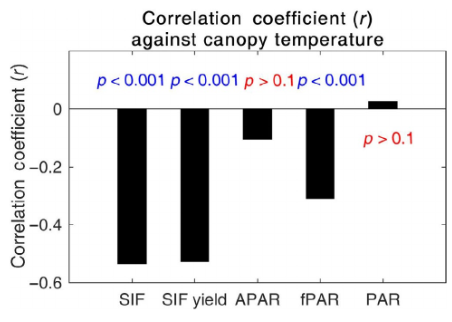
日光誘導葉綠素熒光(SIF)、SIF產額、吸收性光合有效輻射(APAR)、全冠層APAR吸收比例(fAPAR)以及光合有效輻射(PAR)與冠層溫度之間的相關系數(r)。
Correlation coefficients (r) between Sun-Induced Chlorophyll Fluorescence (SIF), SIF yield, Absorbed Photosynthetically Active Radiation (APAR), fraction of whole canopy APAR (fAPAR), and PAR against canopy temperature.
臭氧脅迫:高濃度臭氧會導致大豆冠層SIF760顯著下降,特別是在生長后期下降幅度更大(36%),這表明SIF能夠有效捕捉臭氧對大豆冠層結構和衰老加速的影響。臭氧脅迫還會與輻射減少產生協同效應,影響大豆的葉綠素熒光特性和產量。
Ozone Stress: High ozone concentrations cause a significant decrease in soybean canopy SIF760, particularly during later growth stages (up to 36% reduction). This indicates that SIF can effectively capture ozone's impact on canopy structure and accelerated senescence in soybeans. Ozone stress also interacts with reduced radiation, affecting soybean chlorophyll fluorescence characteristics and yield.

在整個大豆生長季中觀測到的冠層頂部SIF760(A)、光合有效輻射PAR(B)、綠色植被光合有效輻射吸收比例FPARgreen(C)以及表觀SIF產率(D)的測量結果,分別對應生長在環境臭氧濃度(白色條形)與升高臭氧濃度(灰色條形)條件下的大豆。*代表差異顯著(P<0.05)。
Measured top-of-canopy SIF760 (A), PAR (B), FPARgreen (C), and apparent SIF yield (D) throughout the growing season in soybeans grown under ambient O? (white bars) and elevated O? (grey bars). * indicates significant differences between treatments at each measurement date (P < 0.05).
其他脅迫 / Other Stresses:
缺水會迫使氣孔關閉,從而抑制光合作用和蒸騰作用。這一過程會引起非光化學猝滅和光合電子傳遞的變化,而SIF信號對這些微小的變化非常敏感。
雙酚A(BPA)作為一種環境內分泌干擾物,對大豆幼苗的生長、光合作用和葉綠素熒光參數(如初始熒光、最大光化學效率、PSII有效量子產率和光合電子傳遞速率)有顯著影響,SIF技術可以檢測這些變化。
Water Deficit: Water shortage forces stomatal closure, thereby inhibiting photosynthesis and transpiration. This process induces changes in non-photochemical quenching and photosynthetic electron transport, to which SIF signals are highly sensitive.
Bisphenol A (BPA): As an environmental endocrine disruptor, BPA significantly affects the growth, photosynthesis, and chlorophyll fluorescence parameters (such as initial fluorescence, maximum photochemical efficiency, effective quantum yield of PSII, and photosynthetic electron transport rate) of soybean seedlings. SIF technology can detect these changes.
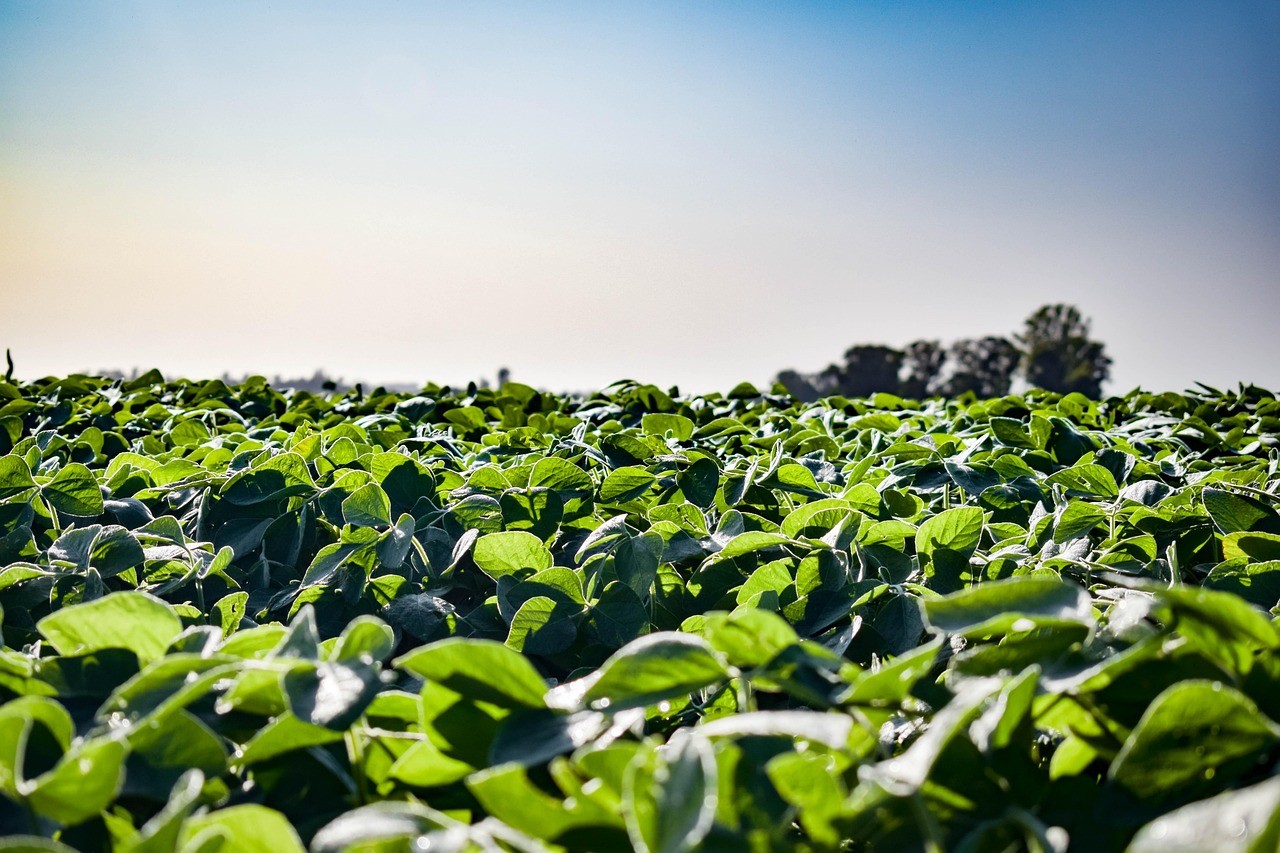
日光誘導葉綠素熒光(SIF)技術通過捕捉與光合作用機理直接相關的光信號,為大豆的環境脅迫監測提供了一種直接、非侵入性的方法。利用這項技術,我們能夠更及時地掌握作物的健康狀況,為精準農業管理和保障作物穩產提供重要的技術支撐。
Sun-Induced Chlorophyll Fluorescence (SIF) technology provides a direct, non-invasive method for monitoring environmental stress in soybeans by capturing light signals directly linked to the mechanism of photosynthesis. Utilizing this technology enables more timely assessment of crop health, offering important technical support for precision agriculture management and ensuring stable crop yields.
案例來源 / Sources:
1. KQuantifying high‐temperature stress on soybean canopy photosynthesis: The unique role of sun‐induced chlorophyll fluorescence. (2021)
2. Quantifying high-temperature stress on canopy photosynthesis at the Temperature Free-Air Controlled Enhancement (T-FACE) experiment: the unique role of sun-induced chlorophyll fluorescence in capturing plant physiological stress. (2020)
3. Solar-induced chlorophyll fluorescence captures the effects of elevated ozone on canopy structure and acceleration of senescence in soybean. (2023)
4. Effects of bisphenol A on growth, photosynthesis and chlorophyll fluorescence in above-ground organs of soybean seedlings. (2013)
 客服熱線:400-688-7769
 郵箱:market@exponentsci.com
 固話:020-89858550
 地址:廣州市天河區廣汕二路602號惠誠大廈B座403房
掃一掃 微信咨詢
©2026 愛博能(廣州)科學技術有限公司 版權所有 備案號:粵ICP備20046466號 技術支持:化工儀器網 Sitemap.xml 總訪問量:103191 管理登陸
